TOP TIPS TO GARDENING IN A LOW IMPACT WAY
· Use Peat-free compost
· Plant for Pollinators
· Re-use and Recycle
· Water wisely
· Mow the Lawn less
· Avoid using Chemicals
· Grow your own Food
PEAT-FREE
Going peat-free is great for the environment, and since many new mixes have been developed in recent years for every need, your plants will be happy too.
Preserving rare peatlands is vital for the unique biodiversity they support, as well as for the wider environment. These habitats are important carbon stores and draining them for peat extraction releases carbon dioxide, contributing to climate change. Peatlands also play a key role in soaking up excess rainfall, helping to prevent localised flooding.
Along with increasing availability of peat-free composts, the quality has greatly improved in recent years too. So if you’ve had a go with peat-free in the past and perhaps had problems, it’s well worth trying again to find your perfect peat-free mix.
PEAT-FREE COMPOSTS
Some of the most commonly used organic ingredients are:
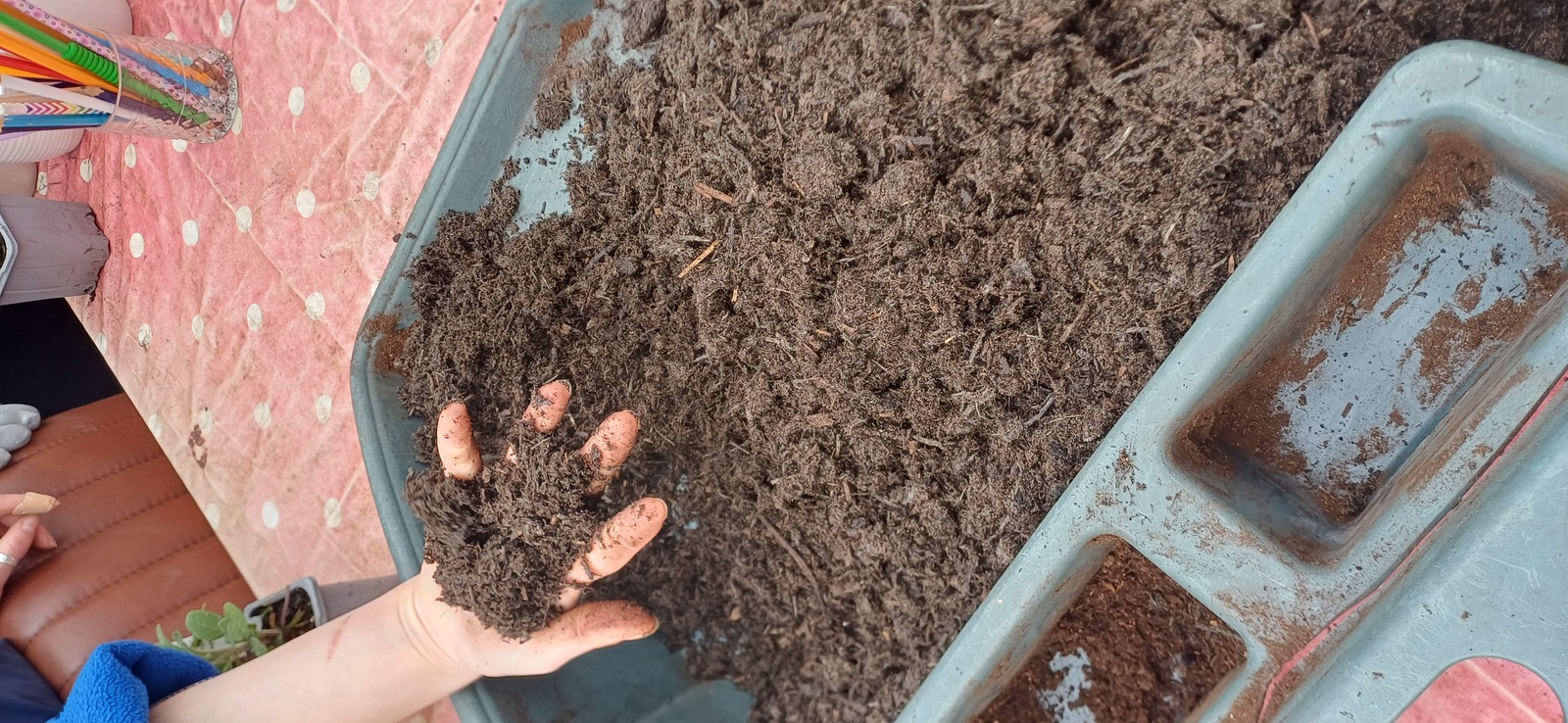
Wood fibres – treated wood chips, with different treatments resulting in different materials for different needs. Steam-treatment will give a very loose material while crushed or milled wood fibres can help improve drainage. Depending on their treatment, wood-based mixes can be tailored to the requirements of most plants.
Coir or coconut fibre – the husks of the coconut which would otherwise be a waste product, mainly imported from Sri Lanka and India. Coir has excellent water-holding abilities and its mix of fine and coarse fibres makes it light and porous, which provides good growing conditions. However, it doesn’t hold nutrients as well as some other materials.
Wood bark – most often the bark of pine trees, again this component can be treated in different ways to give the bark various properties for different uses. Bark is very stable and porous, so can help add air to a compost.
Green compost – many local authorities and private companies collect and anaerobically compost green waste. The resulting compost tends to have a high nutrient content but can be very variable throughout the year without careful management. Green compost is subject to certain quality standards, which ensure that these composted materials adhere to specific criteria and a minimum quality level.
WATERING
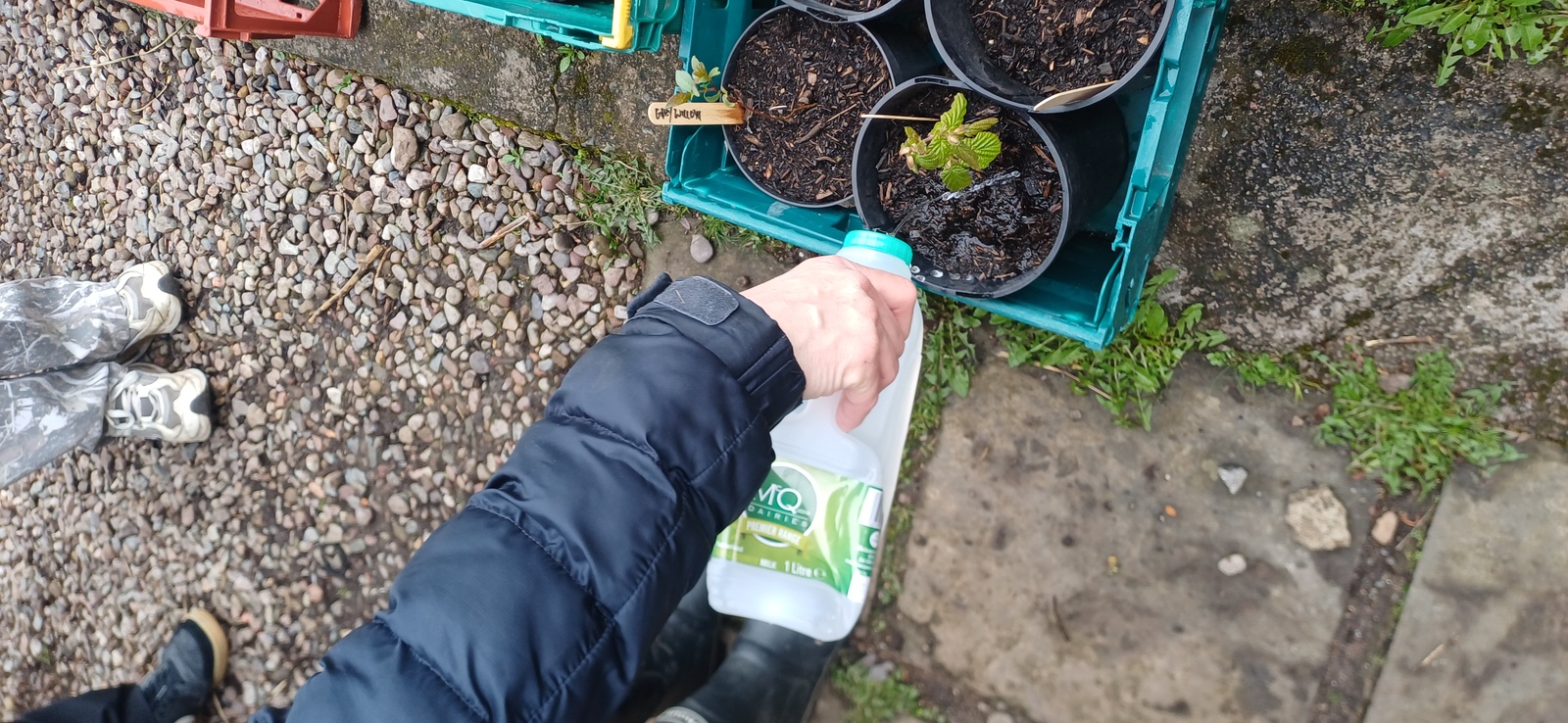
One of the key adjustments you may need to make when changing from peat-based compost to peat-free is with watering. Peat-free composts, especially those containing composted bark , often hold water for longer, so may need watering less frequently.
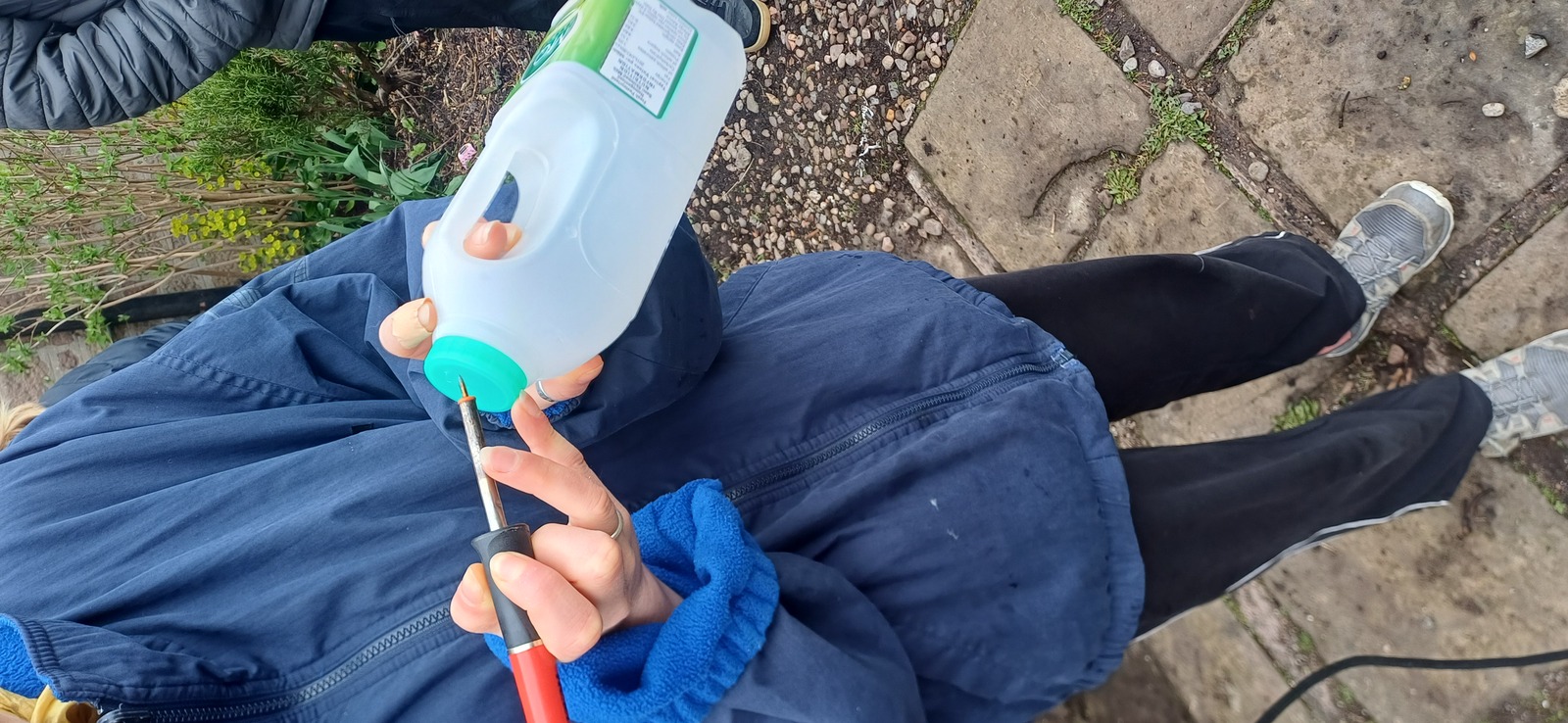
They also tend to look dry on the surface, making it easy to overwater. So use your fingers to check the moisture levels under the surface where possible, or lift the container to feel how heavy it is. Also water using a small watering can or even a mist sprayer, so it’s easier to control the amount you apply.
Before sowing seeds, make sure the compost is moist but not soggy. Saturated compost is colder, which can slow down germination and may cause seedlings and cuttings to rot.
PLANTS FOR POLLINATORS
Wild bees and other pollinators are in decline. One way gardeners can help is by planting garden flowers that provide food for a wide variety of pollinating insects.
(Many fruit and vegetables need to be pollinated by insects for fruits to form. Strawberries, apples, raspberries as well as broad beans, peas and courgettes are just a few of the edible plants that rely on visiting insects to take pollen from flower to flower – a process known as pollination. This then leads to fertilisation and fruit formation. If there are not enough insects around to do this work then fruit may not form.)
Types of Pollinator-Friendly Flower Shapes
The best flower shapes for pollinators are single, open, or daisy-like forms that provide easy access to pollen and nectar, rather than complex "double" flowers.
Daisy/Open: Open flowers allow insects to crawl around, making them excellent for bees, butterflies, and hoverflies (e.g., Helianthus (sunflower), Leucanthemum (daisy), Echinacea).
Umbels : Broad, flat-topped flowerheads consisting of small flowers provide a wide landing area and are perfect for hoverflies, beneficial wasps, and honeybees (e.g., Yarrow, fennel, cow parsley).
Tubular/Bell : These deep shapes are essential for long-tongued bumblebees to reach nectar (e.g., Lavandula , Salvia, Campanula (bellflower), Honeysuckle).
Spires/Spikes: Tall, narrow shapes offer multiple blooming points and, when planted together, create a striking, resource-rich feature for pollinators (e.g., sea holly, Foxgloves, Veronica).
Flat-Topped Clusters (Sedum): Low-growing, dense flat heads are ideal for butterflies and bees, especially in late summer (e.g.sedum now called Hylotelephium).
3 things we can do as gardeners to help:
Aim to have something in flower every month of the year.
If you have room, plant a flowering tree.
Plant things you enjoy as well as the bees!
There is loads of information online with helpful hints and tips to make your garden a greener, more wildlife friendly place. Further reading: